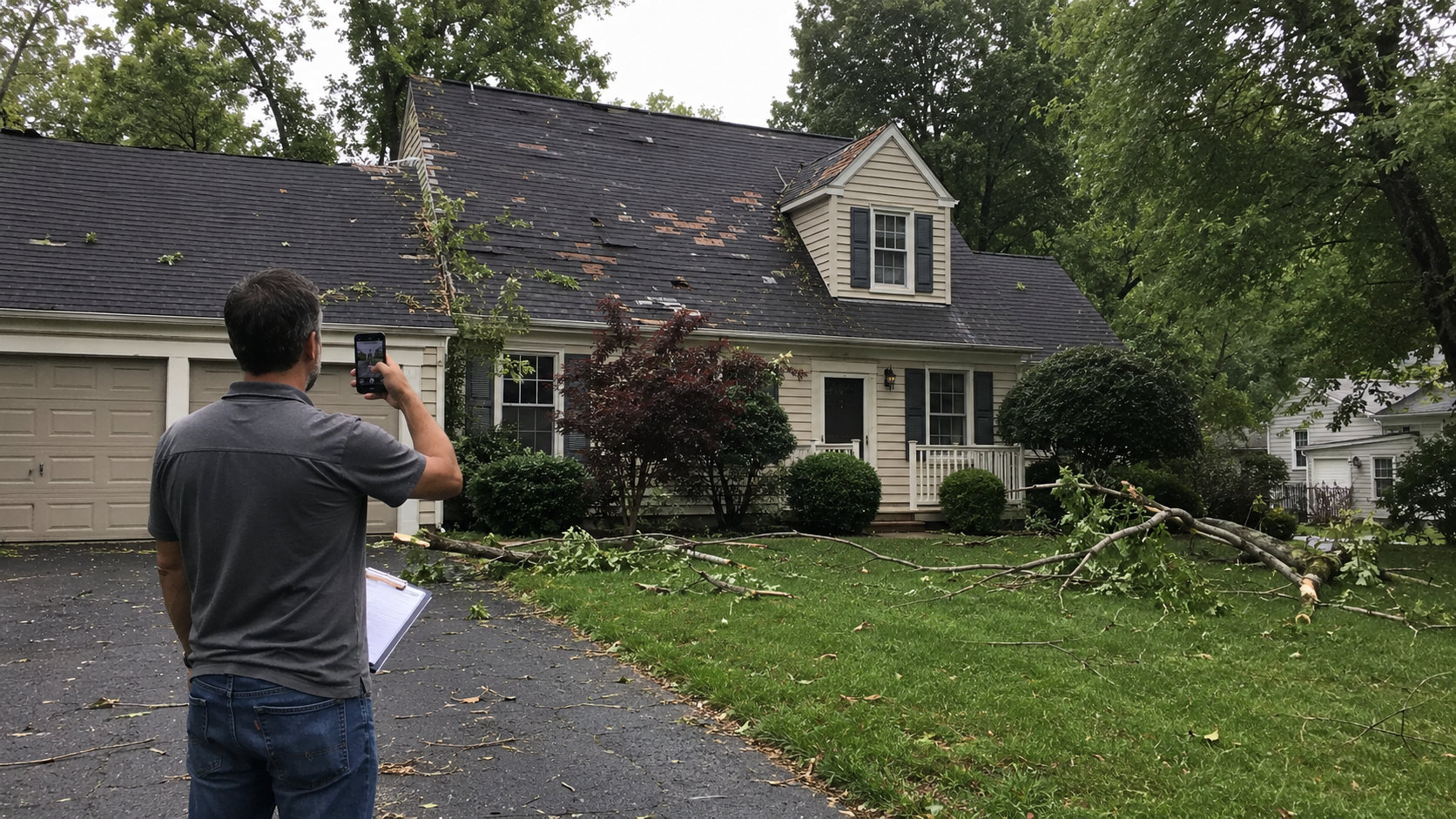
After a storm, the smartest first moves are to stay safe, document the damage with clear photos, take reasonable steps to prevent further harm, and get a professional inspection. Coverage decisions rest with your insurance company and depend on your policy, so no contractor can promise a claim will be approved. Good documentation and a thorough assessment put you in the strongest position to navigate the process.
A severe storm passes through, and once the wind dies down, the questions start. Is the roof okay? What about the siding and gutters? And if there is damage, what happens with insurance? For many Maryland homeowners, the claims process feels like unfamiliar territory at exactly the moment they are already stressed.
Understanding the basics ahead of time takes a lot of that anxiety away. This guide walks through how to respond after a storm, what shapes the process, why Maryland weather makes this a recurring reality, and how to choose a contractor to support you. From our family to yours, the aim is to help you move forward with clarity rather than confusion.
What should you do right after storm damage?
Safety comes before everything else. If a storm has brought down limbs, power lines, or significant debris, keep your distance and do not climb onto a damaged roof or into compromised areas. Damage assessment can wait until conditions are safe, and a professional can handle the parts that are genuinely hazardous.
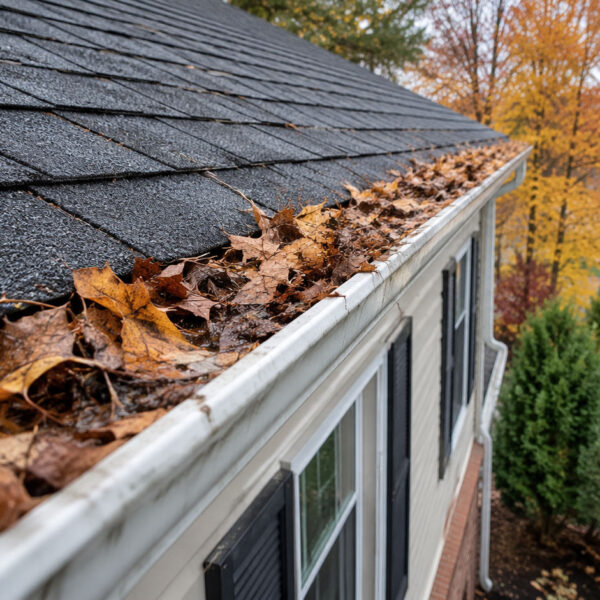
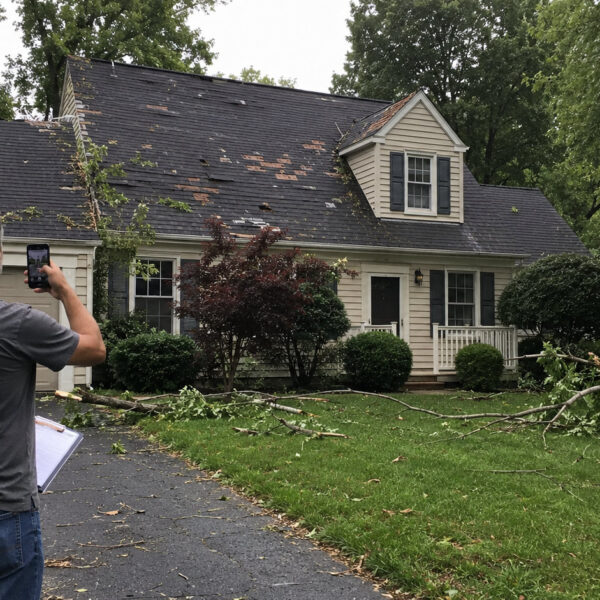
Once it is safe, documentation becomes your priority. Take clear, dated photos of everything you can see, from missing shingles and dented gutters to water stains and broken windows, and write down what you observed and when. This record is the foundation of any conversation with your insurer, and the more thorough it is, the better. Reasonable temporary measures to prevent further damage, like covering an exposed area, are generally appropriate while you arrange next steps.
From there, two parallel tracks make sense: contacting your insurance company to understand your policy and the claims process, and arranging a professional inspection of the exterior. An inspection often reveals storm damage that is not visible from the ground, and a clear, documented assessment of what the storm affected is valuable information to bring into the claims conversation. The inspection clarifies the true scope; your insurer determines coverage.
What shapes the storm repair and claims process?
It is important to be clear about who decides what. Your insurance company makes coverage determinations based on your specific policy, your deductible, and the nature and cause of the damage. No contractor can guarantee that a claim will be approved or that a particular amount will be paid, and you should be cautious of anyone who suggests otherwise.
Several factors influence how the process unfolds. The terms of your individual policy, the type and extent of the damage, and the documentation you are able to provide all play a part. Knowing your deductible and what your policy covers before you file helps set realistic expectations, and your insurer or agent is the right source for those details. The official consumer resources from the Maryland Insurance Administration can also help homeowners understand their rights and the claims process.
On the repair side, the scope depends entirely on what the storm actually did, which is why an inspection matters so much. A thorough assessment documents the damage and clarifies what needs attention, giving you solid information whether or not you ultimately file a claim. The goal is to understand the real condition of your home, not to assume a best case or a worst case.
Want a clear, documented assessment of your storm damage? Call to schedule an inspection: 800-889-9038
Why Maryland homeowners face storm damage regularly
Storm damage is not a rare event in Maryland; it is a recurring part of life here. Summer brings severe thunderstorms with strong straight-line winds, heavy downpours, and the occasional hail, any of which can lift shingles, dent gutters, and drive water past the exterior envelope. The bay and coastal influence can intensify wind and moisture in many areas.
The region also sees its share of tropical systems and their remnants moving up the coast, which can deliver sustained wind and prolonged rain over a wide area. Winter adds its own hazards, with heavy snow loads, ice, and the freeze-thaw cycle stressing roofs, gutters, and flashing. Across the seasons, a Maryland home’s exterior takes a steady beating.
Older neighborhoods with mature trees carry extra risk, since falling and overhanging limbs are a frequent source of roof and siding damage during storms. The practical reality is that most Maryland homeowners will deal with some form of storm impact over the years. Knowing how to respond, and having a trusted contractor to call, turns a recurring stressor into something manageable.
What to look for when choosing a contractor after a storm
The period right after a storm is when careful contractor selection matters most, because urgency can lead to rushed decisions. These five points help you choose wisely.
- Verify Maryland licensing first. Storm repair work should be handled by a licensed Maryland home improvement contractor, and you should be able to confirm the MHIC number. Ask for it and check it before agreeing to anything.
- Expect honesty about insurance, not promises. A trustworthy contractor will document the damage and help you understand it, but will never promise that your claim will be approved. Be wary of anyone who guarantees insurance outcomes.
- Insist on a thorough, documented inspection. A reliable professional inspects the roof, gutters, siding, and openings together and provides clear documentation. That complete picture serves you well in the claims process and in planning repairs.
- Value experience across the full exterior. Storms rarely damage just one thing, so a contractor who works on roofing, gutters, siding, and windows can address everything the storm affected. That breadth keeps repairs coordinated and complete.
- Choose an established local family business. A contractor with deep Maryland roots and years of storm-season experience understands local conditions and is accountable to the community. Longevity signals reliability when you most need it.
Durable Exteriors, Inc. is a family-owned Maryland contractor that meets these criteria, licensed under MHIC# 139115 — see the full range of services and homeowner reviews.
Common mistakes to avoid after a storm
A few missteps tend to make a hard situation harder. Rushing to sign with the first contractor who knocks on the door, before verifying licensing or getting a proper inspection, is a common one, and a calm, careful choice almost always serves you better. So does skipping documentation, since photos and notes taken right after the storm are far more useful than memories weeks later.
Another mistake is assuming either that everything is covered or that nothing is, before actually talking to your insurer. Coverage depends on your specific policy and the circumstances, and only your insurance company can make that determination. Approaching the process with good documentation, a thorough inspection, and realistic expectations is what keeps you in control. With the right preparation and a trusted contractor at your side, Maryland homeowners can move through storm recovery steadily and get their homes protected again.
Dealing with storm damage and not sure where to start? Talk to our team: 800-889-9038
This article is for general information only and does not constitute insurance advice. It does not guarantee any claim outcome, coverage, repair result, or timeline. Coverage decisions rest with your insurer — contact Durable Exteriors, Inc. for an inspection and your insurance company for policy questions.