
Found a fresh water stain on the ceiling after a storm? Act in this order: contain the water indoors, photograph the damage, avoid climbing onto a wet roof, and schedule a professional inspection. Quick containment protects your home’s interior, while a licensed contractor finds where the water is actually getting in.
Heavy rain has a way of finding every weak spot on a roof. One night the ceiling is fine, and the next morning there is a brown ring spreading across the drywall or a slow drip into a bucket. It is unsettling, and it is one of the most common calls Maryland homeowners make after a storm rolls through.
The good news is that the first hour matters more than most people think. What you do right after spotting a leak can be the difference between a small ceiling patch and a much larger interior repair. This guide walks you through the steps, what tends to cause leaks here, and how Durable Exteriors, Inc. helps homeowners get back to dry and comfortable.
What causes a roof to leak after heavy rain?
A roof rarely fails all at once. More often, a single vulnerable detail gives way under the pressure of a hard, wind-driven rain. Flashing around chimneys, skylights, and roof valleys is a frequent culprit, because those metal transitions take the most stress and seal the most awkward angles.
Asphalt shingles are the other common factor. Over years of sun, freeze-thaw cycles, and gusts, shingles can crack, curl, or lose the granules that protect them. When a few shingles lift or go missing, water slips underneath and reaches the roof deck, then travels until it finds a seam or a nail hole to drip through.
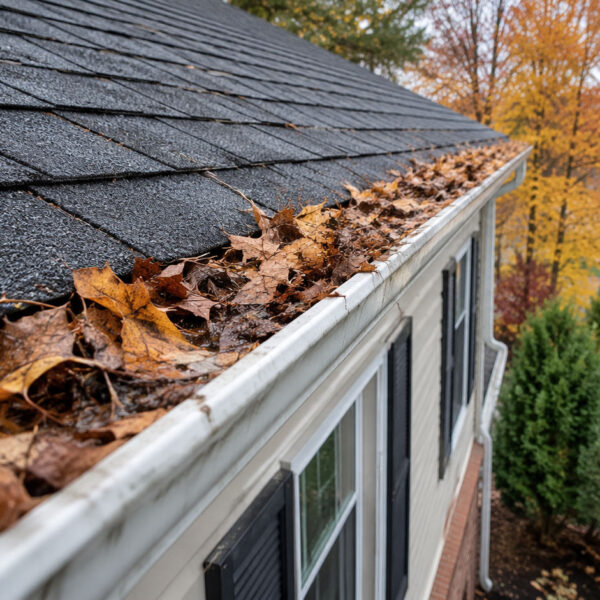
Then there are the quiet offenders: clogged gutters that let water back up under the shingle edge, worn pipe boot seals around plumbing vents, and aging underlayment that no longer sheds water the way it once did. Because water can travel several feet before it appears indoors, the stain you see is often not directly below the real entry point, which is exactly why an inspection beats guessing.
What does it cost to address a roof leak?
The honest answer is that it depends, and any contractor who quotes a firm number before seeing the roof is guessing. The cost of addressing a leak is shaped by what is actually wrong: a single damaged flashing detail is a very different project than a section of failing shingles over saturated decking.
Several factors move the estimate. The age and overall condition of the roof matter, since an older roof near the end of its service life may not be a sound candidate for spot repairs. The size and slope of the affected area, the type of roofing material, and whether the underlying deck or insulation absorbed water all play a role as well.
There is also the question of damage that is not visible from the attic or the ground. A proper inspection looks at the roof surface, the flashing, the attic side, and any interior staining together, so the recommendation matches the real condition rather than a surface guess. That is the most reliable way to understand the scope before any work begins.
Want a clear read on your situation before deciding anything? Call for a roof inspection: 800-889-9038
Why Maryland storms are hard on local roofs
Maryland weather gives roofs a real workout. Summer brings sudden, heavy downpours and the occasional severe thunderstorm with strong straight-line winds, while the shift from humid summers to freezing winters drives the expansion and contraction that wears shingles down over time.
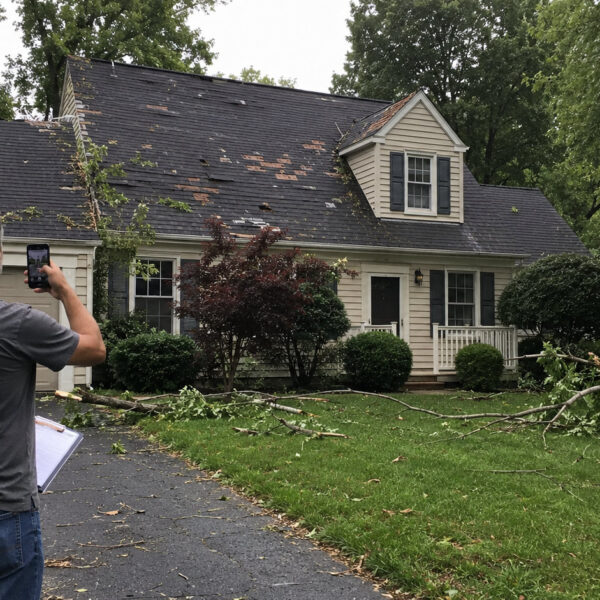
Coastal and bay-influenced moisture adds another layer, keeping humidity high and encouraging algae streaking and slow material breakdown on shaded northern slopes. Older neighborhoods with mature tree cover face an extra hazard, since overhanging limbs drop debris into valleys and gutters and can scrape protective granules off the shingles below.
All of this means a roof that performs perfectly in mild weather can still spring a leak the first time a genuine storm tests it. Homeowners across Maryland tend to see the same seasonal pattern: a wet, windy stretch passes through, and the calls about ceiling stains follow within a day or two. Knowing your roof is storm-ready before that stretch arrives is far less stressful than reacting after the water is already inside.
What to look for when choosing a roofing contractor
Picking the right contractor after a leak is its own decision, and rushing it can make a stressful situation worse. Use these five points to guide the conversation before you commit to any work.
- Verify Maryland licensing. Roofing work should be handled by a properly licensed Maryland home improvement contractor. Ask for the MHIC number directly and confirm it, rather than taking a general claim at face value.
- Insist on a real inspection before any recommendation. A trustworthy contractor looks at the roof, the flashing, and the attic side before telling you what is wrong. Be cautious of anyone who diagnoses a major project from the driveway.
- Look for established local roots. A company that has worked through many Maryland storm seasons understands how local weather and building styles actually behave. Longevity in the same market is a meaningful signal of reliability.
- Expect clear, no-pressure communication. You should understand what was found, what the options are, and why one path is recommended over another. Calm explanations beat hard sales tactics every time.
- Confirm they handle the full exterior, not just one patch. Leaks often involve gutters, flashing, and ventilation together, so a contractor who works across the whole roof system can address the root cause rather than the symptom.
Durable Exteriors, Inc. is a family-owned Maryland contractor that meets these criteria, licensed under MHIC# 139115 — see the full range of services and what homeowners say.
Mistakes to avoid when you spot a leak
The instinct to fix a leak immediately is understandable, but a few common missteps tend to make things worse. The biggest one is climbing onto a wet, sloped roof during or right after a storm, which is genuinely dangerous and rarely solves anything. Roof diagnosis and repair are best left for a clear day and steady footing.
Two other mistakes come up again and again: ignoring a small stain because the drip stopped, and slapping a temporary sealant over the visible spot indoors. A leak that pauses when the rain stops has not healed, and sealing the ceiling only hides moisture that keeps working on the structure above. Documenting the damage and getting a professional eye on the roof addresses the cause instead of masking it.
A roof leak after heavy rain is a problem you want to understand fully, not patch over and hope. With a calm first response and a thorough inspection, most Maryland homeowners get a clear picture of what their roof actually needs. From our family to yours, the goal is a home that stays dry and comfortable through whatever the next storm brings.
Ready to find out where the water is getting in? Schedule your roof inspection: 800-889-9038
This article is for general information only and does not guarantee any specific repair outcome or timeline. Every roof is different — contact Durable Exteriors, Inc. for an inspection of your home.