The clearest signs a roof needs replacing are widespread shingle curling or balding, piles of granules in the gutters, daylight or moisture in the attic, recurring leaks in multiple spots, and an age near the end of the material’s service life. When these appear together across the whole roof, replacement is usually worth considering over another patch.
A roof rarely announces its retirement. It tends to send quiet signals for years before a problem becomes obvious, and most homeowners only start paying attention after a leak or a storm. By then, the roof has often been telling its story for a while.
Learning to read those signals helps you plan ahead instead of reacting to an emergency. This guide covers what to look for, what shapes the decision between repair and replacement, why Maryland conditions matter, and how to choose a contractor you can trust with the project. From our family to yours, the aim is a home that stays protected.
What are the warning signs of a failing roof?
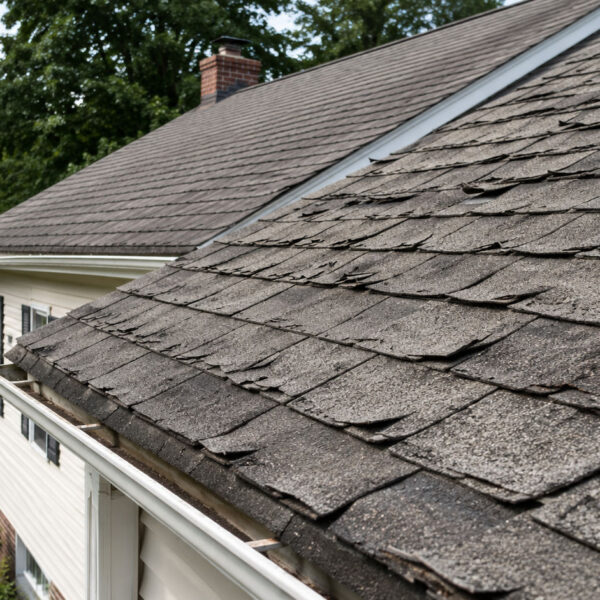
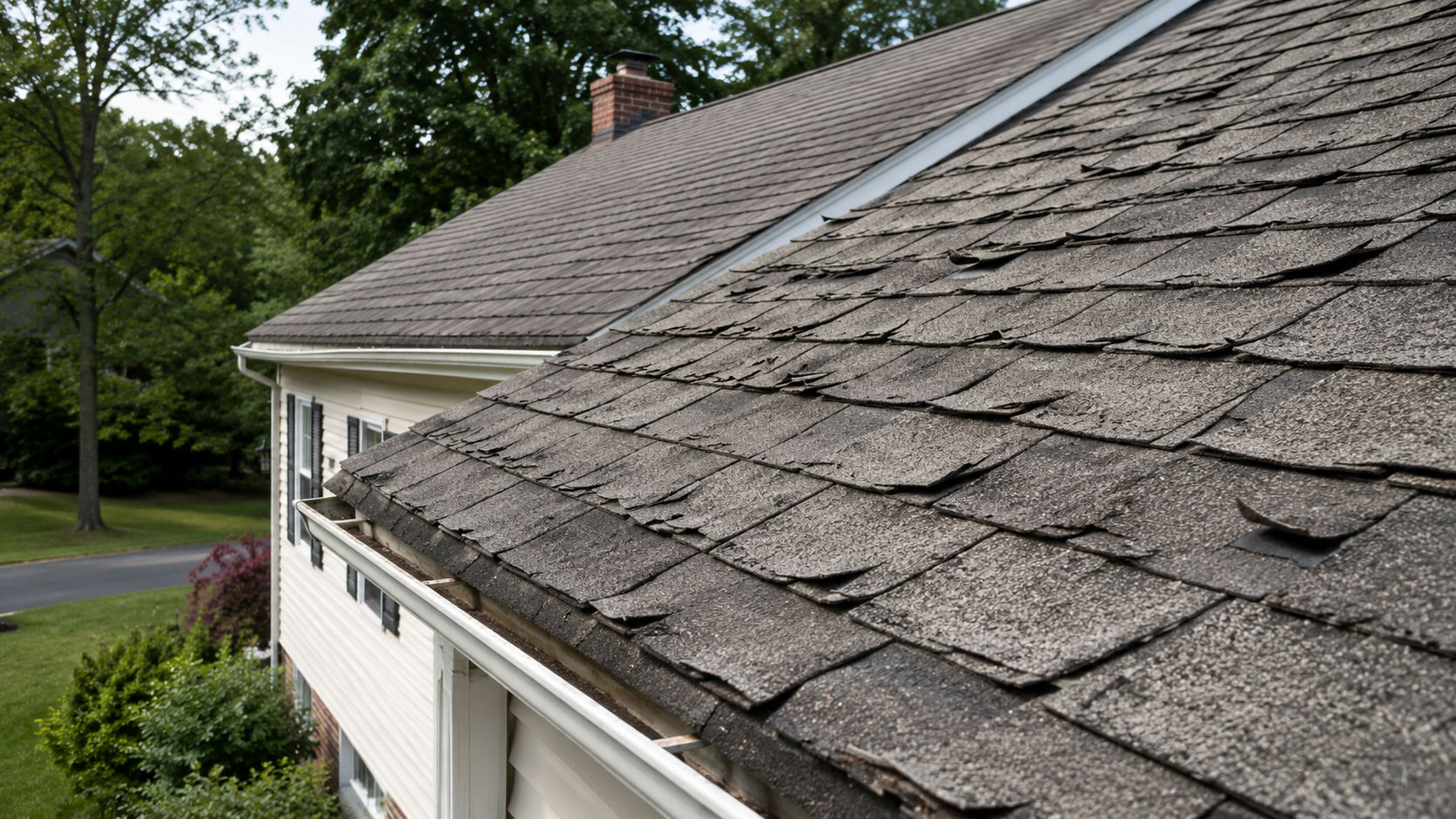
Start with the shingles, because they reveal the most. Curling or cupping edges, bald patches where the protective granules have worn off, and cracked or missing shingles all point to material that is aging out. A few damaged shingles can be a repair, but when the wear is spread across multiple slopes, it usually reflects the roof’s overall age.
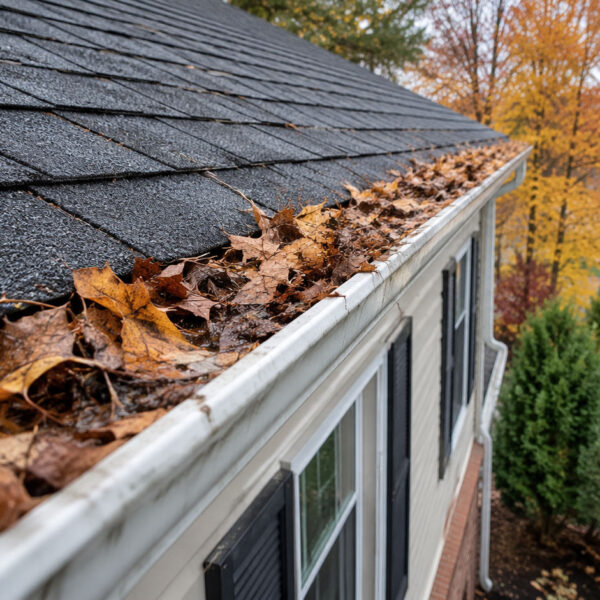
Next, check the gutters and downspouts. Finding a steady accumulation of sand-like granules is a meaningful clue, since shingles shed those granules as they break down. A roof that is filling the gutters with grit is generally past its prime and losing the layer that shields it from sun and rain.
Finally, look inside. From the attic, daylight showing through the roof boards, dark moisture stains on the decking, or a musty, damp smell all suggest water is getting past the roof. Sagging areas along the roofline, visible from the ground, are a more serious signal that the deck beneath may be compromised and deserves prompt professional attention.
Repair or replace: what shapes the cost decision?
The repair-versus-replace question almost always comes down to scope, age, and how much hidden damage exists. There is no honest flat price for either path without a look at the roof, because the same symptom can mean very different things on a five-year-old roof versus a twenty-five-year-old one.
Several factors weigh on the decision. The roof’s age relative to its expected service life is central, since pouring money into repeated repairs on an old roof often costs more over time than a single replacement. The extent of the damage, the condition of the underlying decking, the roof’s size and complexity, and the materials involved all influence the estimate as well.
There is also a long-view consideration. A roof that is replaced as a planned project tends to be a smoother experience than one that fails during a storm and forces an urgent decision. A thorough inspection gives you the information to choose on your terms, with a clear sense of what the roof actually needs rather than a guess.
Not sure whether your roof is a repair or a replacement? Call for an honest inspection: 800-889-9038
How Maryland’s climate ages a roof faster
Maryland asks a lot of a roof. The swing from hot, humid summers to freezing winters drives constant expansion and contraction, and that thermal stress gradually loosens seals and cracks aging shingles. Each freeze-thaw cycle works on the material a little more.
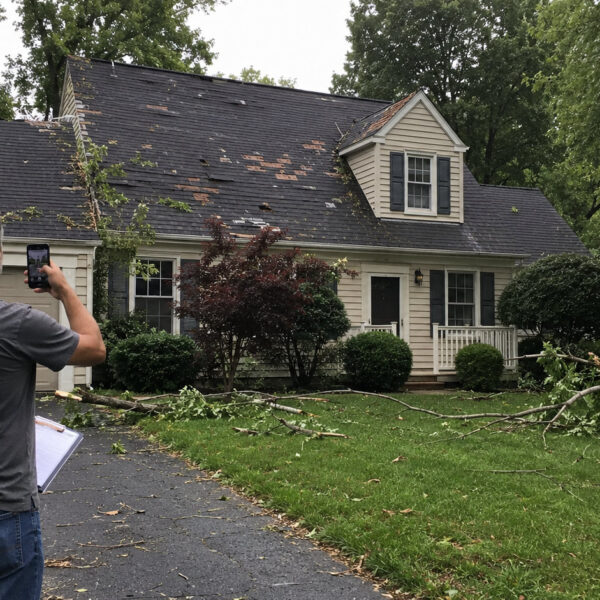
Moisture is the other constant. Bay and coastal humidity feed algae streaking and slow material breakdown, especially on shaded northern slopes that stay damp longer. Summer thunderstorms add wind and the occasional hail, both of which can accelerate granule loss and lift shingles that were already near the end of their run.
Tree-lined Maryland neighborhoods face an added factor, since overhanging limbs drop debris and shade that keep roofs wet and worn. The practical takeaway is that a roof here may show its age sooner than the same product would in a drier, milder climate. Homeowners who track these signs season to season tend to catch the right replacement window before a failure forces the timing.
What to look for when choosing a roofing contractor
Choosing who replaces your roof is as important as deciding to replace it. These five points help you separate a thorough professional from a quick pitch.
- Confirm Maryland licensing in writing. Roof replacement should be done by a licensed Maryland home improvement contractor, and you should be able to verify the MHIC number. Ask for it directly rather than accepting a vague assurance.
- Require a full inspection before any quote. A reliable contractor examines the shingles, flashing, decking, and attic before recommending replacement. A real diagnosis comes from a hands-on look, not a glance from the street.
- Choose a contractor with deep local experience. A company that has weathered many Maryland seasons understands how local humidity, storms, and building styles affect roofs. That track record matters when the work has to last through future storms.
- Look for clear communication and no pressure. You deserve a plain explanation of what was found and why a given approach is recommended. Steady, honest guidance is worth more than urgency or scare tactics.
- Prefer a full-exterior contractor. Because roofing ties into gutters, flashing, and ventilation, a contractor who handles the whole exterior can address the complete system. That integrated view helps the new roof perform the way it should.
Durable Exteriors, Inc., family-owned and licensed under MHIC# 139115, meets these standards for Maryland homeowners — explore the full services and customer reviews.
Timing your roof replacement
One question comes up constantly: when is the best time to replace a roof? While roofing work happens year-round, many Maryland homeowners prefer to plan replacement during milder stretches of spring or fall, when temperatures are steady and the weather is more cooperative. Planning ahead also means you are not competing for attention in the rush that follows a major storm.
The bigger principle is to act on the signs rather than wait for the failure. A roof that is showing widespread wear is on borrowed time, and replacing it as a planned project gives you control over scheduling, material choices, and budget. Reading the warning signs early is what turns a roof replacement from an emergency into a smart, well-timed home investment that keeps your family comfortable for years to come.
Seeing the signs and want a professional read on your timeline? Talk to a roofing expert: 800-889-9038
This article is for general information only and does not guarantee any specific result or timeline. Every roof is different — contact Durable Exteriors, Inc. for an inspection of your home.